How do real estate land developers shape growing suburban areas?
- Strategically acquire land
- Prepares zoning for development
- Build essential infrastructure
- Design diverse neighborhoods
- Integrate amenities and services
- Stimulate local economies
Overview
- This article looks at how land developers influence the way neighborhoods function, connect, and grow over time, shaping daily life beyond housing alone.
- It also shows how Breighton Land applies this long-term thinking in Cavite, creating communities designed for sustainability, accessibility, and lasting appeal.
Behind every livable neighborhood are deliberate decisions on land use, connectivity, and shared spaces that influence how people live and interact. Exploring how real estate land developers shape growing suburban areas reveals their role in turning open land into functioning, thriving communities.
From road networks and utilities to mixed-use planning, developers help define the character and long-term potential of suburban growth. Their planning choices influence accessibility, property values, and quality of life for future house and lot owners.
In this article, we’ll look at the ways land developers guide suburban development and why their approach matters for sustainable, well-planned communities.
Strategically Acquire Land
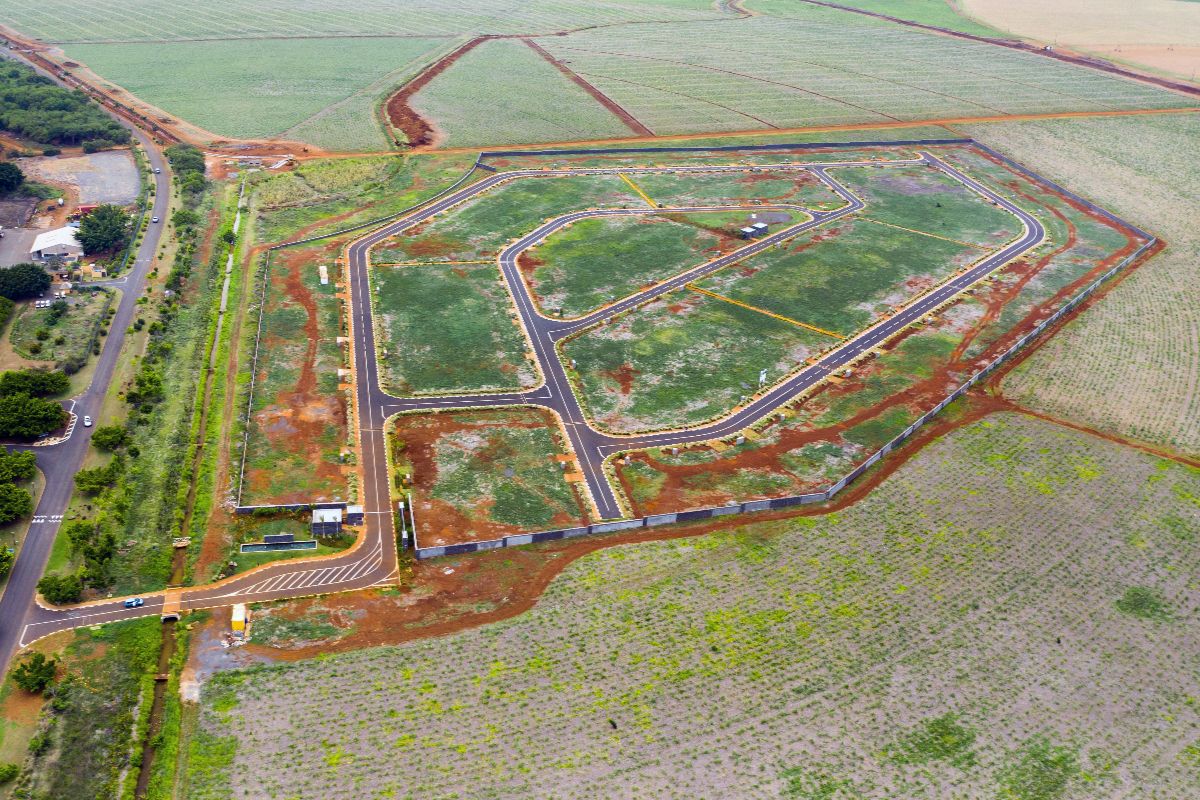
Real estate developments don’t happen overnight—they demand careful preparation and long-term planning. At the heart of this process is land acquisition. Major developers don’t buy property blindly; instead, they conduct thorough assessments to identify areas with high growth potential.
Key indicators often include sites located near highways, existing amenities, or planned infrastructure projects within the vicinity. Once a strategic location is identified, developers typically purchase large tracts of land and subdivide them into parcels for residential, commercial, or mixed-use purposes. Every step of this process requires strict due diligence to ensure legal compliance.
Prepares Zoning for Development
Once land has been secured, the developers’ attention then turns to zoning. This refers to the system of dividing land into designated areas. It also serves as a regulatory tool used by local government units (LGUs) to control land use.
These zoning maps are reviewed to identify areas best suited for their projects. Once a potential site is identified, a feasibility study is conducted to assess whether the intended development fits the zoning classification. Beyond this, further site evaluations are carried out to ensure that proposed buildings comply with density limits, environmental restrictions, and infrastructure requirements.
Build Essential Infrastructure
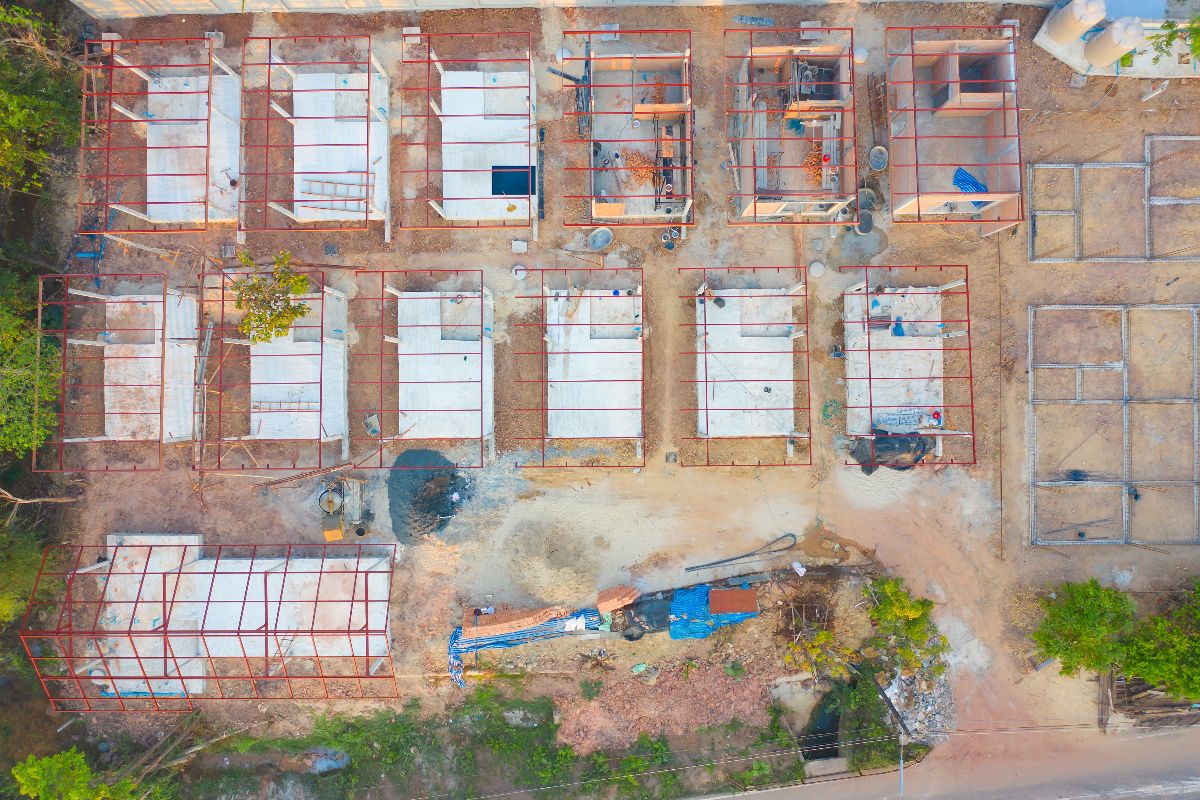
Real estate land development considers essential infrastructure a cornerstone of project success. After all, having amenities that support the lifestyle of a community greatly enhances a location’s desirability and long-term viability.
Roads, utilities, and community facilities are among the most critical elements, and developers often invest or co-finance infrastructure in building these. In doing so, they lay the foundations that residents will depend on, providing access to a functional, sustainable, and well-connected way of life.
Design Diverse Neighborhoods
Successful real estate land development goes beyond building houses—it’s about shaping neighborhoods that reflect a mix of lifestyles and needs.
- Mixed-use developments: A growing trend in real estate is the rise of mixed-use communities that combine residential, commercial, and recreational spaces in one development. This model encourages walkable lifestyles, minimizes dependence on cars, and transforms neighborhoods into lively, self-sustaining townships.
- Housing options: Developers design a variety of housing options to meet diverse needs, ranging from single-family homes and apartment complexes to high-density “vertical suburbs.” This range allows them to serve different demographics and income levels.
Integrate Amenities and Services
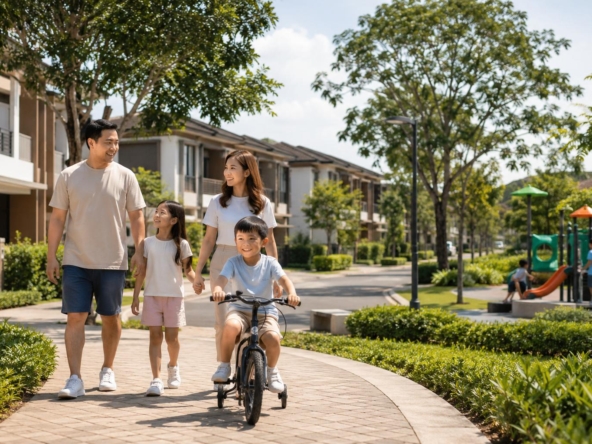
Enhancing quality of life is central to real estate development, and developers achieve this by weaving amenities directly into their plans. Parks, schools, shopping centers, healthcare facilities, and entertainment venues are anchors that foster connection and belonging.
Stimulate Local Economies
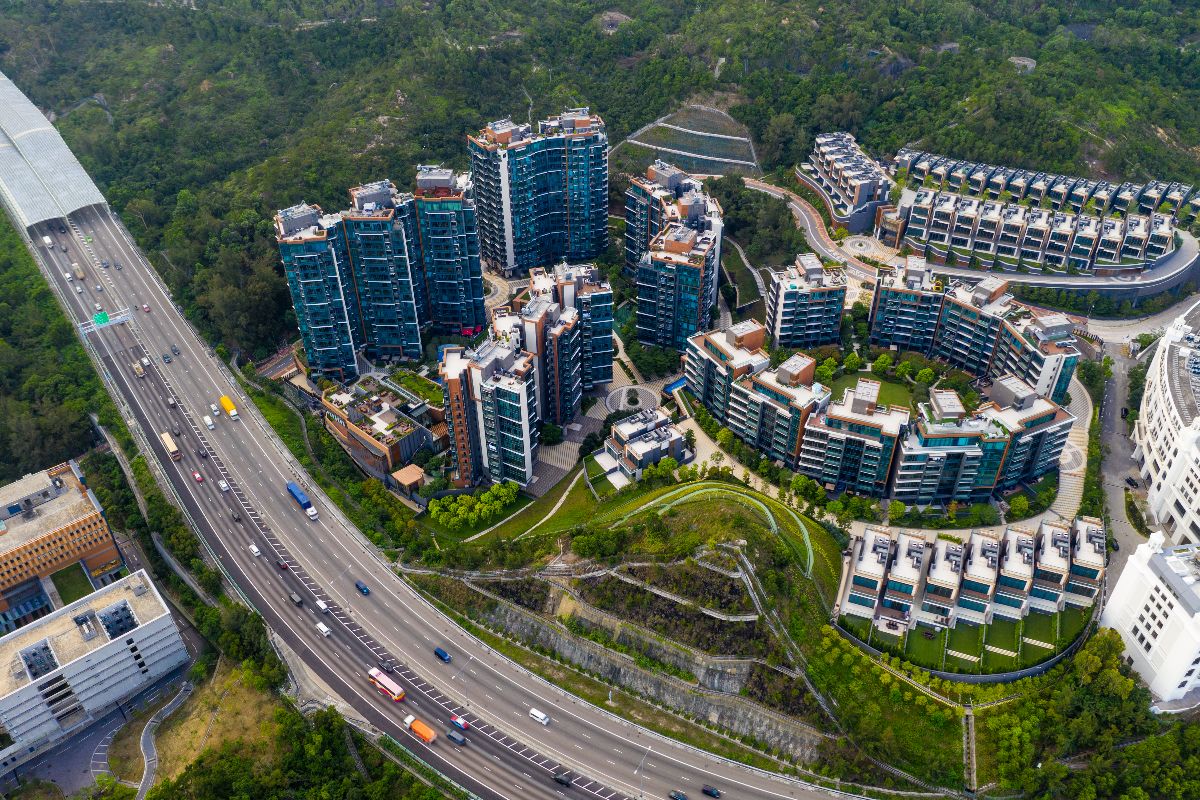
By introducing commercial spaces, retail hubs, and office facilities within or near residential areas, developers generate job opportunities and attract new businesses. This activity creates a ripple effect: residents benefit from convenient access to services.
In suburban settings, this integration of commerce and community transforms districts into thriving economic centers. Put simply, local entrepreneurs find fertile ground to grow, and investors are drawn to the area’s rising potential.
Why Choose Breighton Land’s Well-Developed Communities in Cavite
Cavite is rising as a prime destination in its own right—it’s no longer just Metro Manila’s neighbor. The province is experiencing rapid economic growth, fueled by modern infrastructure projects that strengthen its connectivity and sustainability. Today, Cavite stands as South Luzon’s most dynamic regional hub, capable of thriving independently while still offering easy access to major cities.
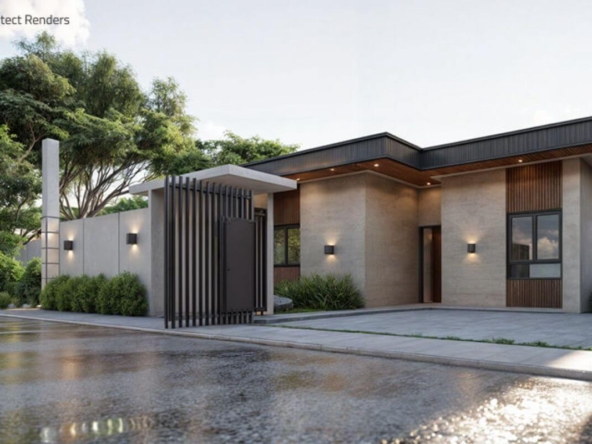
Within this thriving landscape, Breighton Land has established communities designed for holistic living. A standout example is Montefaro Village in Imus, a Mediterranean-inspired gated estate that combines comfort, security, and style. Strategically located near hospitals, schools, and shopping centers, Montefaro offers residents both convenience and quality of life.
Key Takeaway
Effective land development is about smart planning. Once you understand how real estate land developers shape growing suburban areas, you see that there are a lot of steps to take before you dream home is even built. When land acquisition, zoning, infrastructure, and amenities are aligned, developers create communities that deliver long-term value, livability, and growth.
Experience well-planned communities built for modern living. Breighton Land develops strategic, lifestyle-focused neighborhoods in Cavite designed for lasting value. Contact us today to learn more.